Key Takeaways
- Green tea contains catechins and caffeine, but research suggests only a modest effect on body weight.
- Results are not consistent enough to treat green tea extract as a stand-alone weight-loss treatment.
- Green tea beverages and supplements can differ substantially in their amounts and forms of catechins and caffeine.
- Brewed green tea has not raised the same safety concerns as concentrated extract, which has been linked to uncommon cases of liver injury.
- Yellowing of the skin or eyes, dark urine, or significant abdominal discomfort while using an extract requires prompt medical advice.
What Is Green Tea Extract?
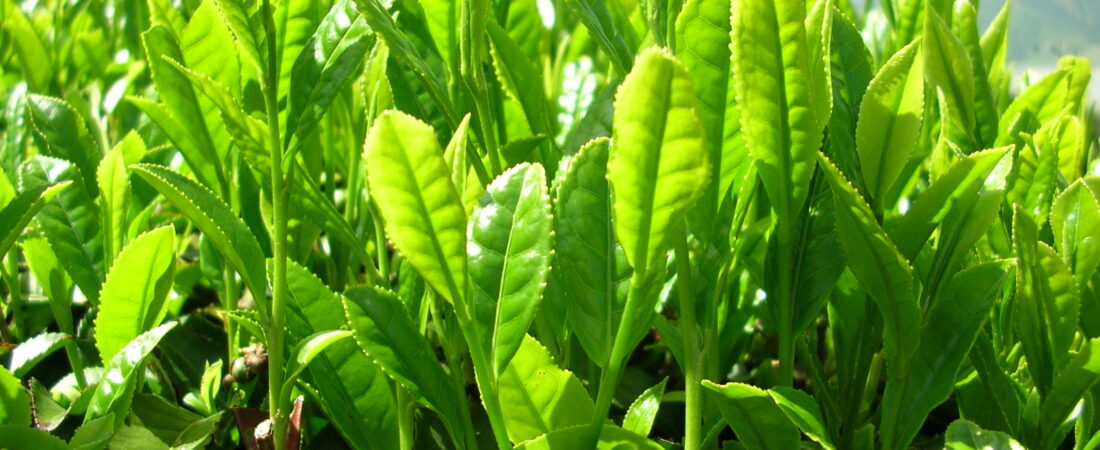
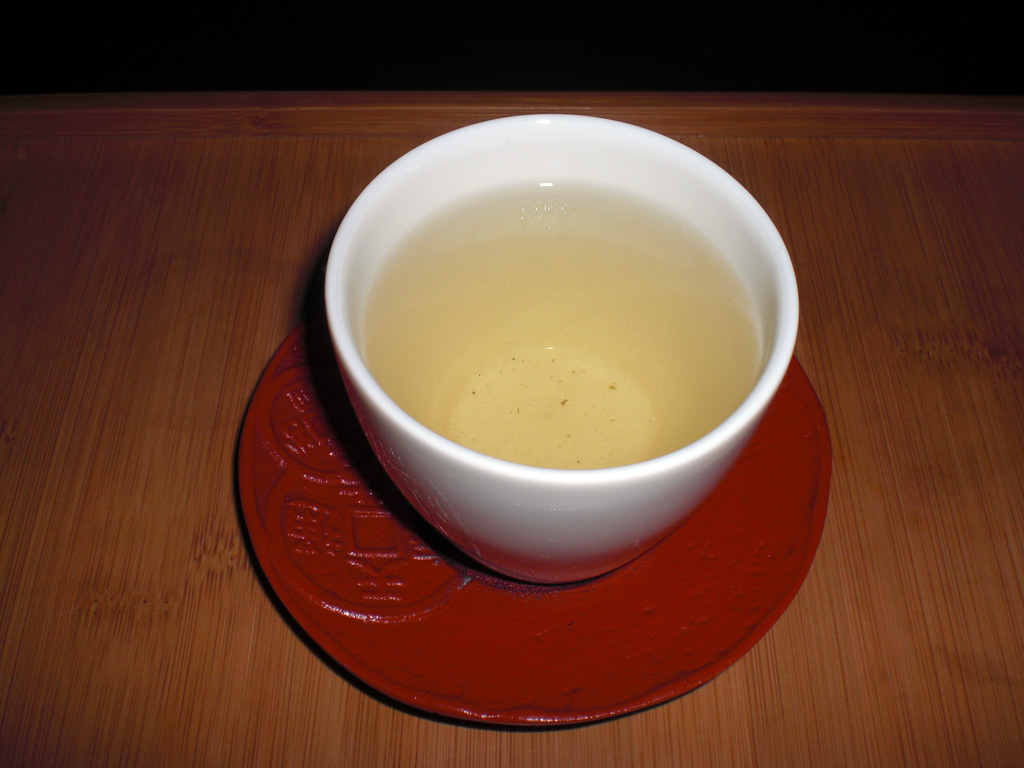
Green tea is available as a beverage and as a dietary supplement. Green tea extract is the concentrated supplement form, while brewed tea is consumed as a drink. Both can contain catechins and caffeine, but the amounts and forms may differ substantially from one product to another.
That difference matters when people search for “green tea extract capsules for weight loss” and compare a capsule with ordinary tea. A product label may not tell the whole story simply by saying “green tea.” The preparation, concentration, and caffeine content can vary. For that reason, drinking green tea and taking green tea extract should not automatically be treated as equivalent choices.
Does Green Tea Extract Help With Weight Loss?
The short answer is: possibly a little, but not reliably enough to use it on its own. A systematic review and meta-analysis found that green tea preparations had only a modest effect on body weight. The results were also not consistent enough to support green tea extract as a stand-alone weight-loss treatment.
That finding puts the popular phrase “green tea extract weight loss” into perspective. Research does not support presenting the supplement as a dependable way to produce substantial weight change. It also does not justify promising a particular amount of weight loss for an individual.
People often ask whether green tea extract “boosts metabolism” or “burns fat.” The available research supports a more cautious answer: studies of green tea preparations have found a modest effect on body weight, but that overall finding is not strong or consistent enough to turn the supplement into a treatment recommendation. Claims about a specific mechanism or a predictable result go beyond the evidence available for this article.
Green Tea Extract Compared With Brewed Green Tea
Brewed green tea has not been reported to raise the same safety concerns as concentrated green tea extract. That does not mean every beverage affects every person in the same way, because green tea contains caffeine and caffeine-related effects should still be considered. It does mean that “natural” and “concentrated” are not interchangeable terms.
If your interest is mainly finding a lower-calorie drink, a plain green tea beverage may be a different choice from taking a concentrated supplement. If your goal is weight loss, however, the research does not establish that drinking tea or taking extract will produce a reliable, meaningful result on its own.
For a broader look at supplement claims, you can compare this topic with our guide to natural weight-loss supplements, which considers why modest research findings can be overstated in advertising.
Who Should Be Cautious With Green Tea Extract?
There is no verified basis here for identifying a group that will definitely benefit from green tea extract. The most defensible conclusion is that any possible effect on weight is modest and inconsistent, so people should not rely on the supplement as their main weight-loss strategy.
Caution is particularly relevant for anyone considering a concentrated product because green tea extract has been linked to uncommon cases of liver injury. Green tea also contains caffeine. Caffeine-related effects and interactions should be considered when using concentrated extracts or combining them with other caffeinated products.
Because supplement formulations differ, one person’s product may not be comparable with another person’s. Reading the label can show whether caffeine and catechins are listed, but a label alone cannot guarantee that a product is suitable for you. Talk to a doctor or pharmacist before starting a concentrated extract if you have concerns about caffeine, liver safety, or possible interactions with medicines and other products.
Green Tea Extract Side Effects and Safety Concerns
The main safety distinction is between drinking green tea and taking concentrated green tea extract. Beverage use has not been reported to raise the same safety concerns as concentrated extract. Extract use, however, has been linked to uncommon cases of liver injury.
Do not ignore possible liver symptoms. While using green tea extract, yellowing of the skin or eyes, dark urine, or significant abdominal discomfort should prompt you to stop the product and seek medical advice promptly.
Caffeine is another reason to check what you are taking. Green tea contains caffeine, and concentrated extracts may be used alongside coffee, tea, energy products, or other caffeinated supplements. The available safety information does not provide a universal caffeine limit for this article, so it would be misleading to give one. Instead, check the product label and discuss your overall caffeine intake with a healthcare professional if you are unsure.
Can Green Tea Extract Interact With Other Products?
The available information supports considering caffeine-related effects and interactions. It does not provide a complete list of medicines or conditions that make green tea extract unsuitable. Avoid assuming that a supplement is automatically safe because it is sold without a prescription. A doctor or pharmacist can review the specific product and your medicines more safely than a general online article can.
How to Choose Between Green Tea and a Supplement
Start by deciding what you are actually trying to do. If you want a green tea beverage, remember that it contains caffeine. If you are considering an extract for “stubborn body fat,” the research does not establish a dependable stand-alone treatment, and the concentrated form carries safety concerns that brewed tea has not raised to the same extent.
Products can differ substantially in catechin and caffeine content. Compare labels rather than assuming that two green tea supplements are alike. Do not treat a larger amount as a shortcut to better results: the available research supports only a modest, inconsistent weight effect and does not provide a dosing recommendation.
It is also worth asking whether the expected benefit justifies buying a supplement. Since the research does not show a consistent stand-alone treatment effect, cost and potential risk deserve consideration. A pharmacist or doctor can help you assess a particular product, especially if you already use other caffeinated products or medicines.
When to Seek Medical Care
Emergency Care
Call emergency services or your local emergency number immediately for a severe or rapidly worsening medical problem. This article cannot assess an emergency remotely.
Prompt Medical Advice
Stop using green tea extract and seek medical advice promptly if you develop yellowing of the skin or eyes, dark urine, or significant abdominal discomfort. These are possible liver symptoms identified in the safety guidance.
Routine Appointment
Arrange a routine appointment with a doctor or pharmacist before starting, restarting, or continuing a concentrated extract if you are concerned about caffeine-related effects, interactions, or whether the modest possible weight effect is worth the risk and cost.
Practical Steps for Using Green Tea Products
- Decide whether you want a beverage or a concentrated supplement; they are not automatically equivalent.
- Check labels because catechin and caffeine amounts can differ substantially between products.
- Count other caffeinated products when considering a green tea extract.
- Do not use green tea extract as a stand-alone weight-loss treatment; the research does not support that expectation.
- Choose a practical approach you can maintain, and discuss supplement use with a doctor or pharmacist when safety or interactions are concerns.
- If you are looking for food-based support alongside weight-management habits, our guide to fiber for weight loss covers another commonly searched option without suggesting that one product can do the whole job.
So, does green tea extract help with weight loss? The fairest answer is that research suggests a modest effect for some green tea preparations, but inconsistent results and the safety concerns linked to concentrated extract make it inappropriate to present as a reliable treatment by itself.
FAQ
Does green tea extract help with weight loss?
Research on green tea preparations has found only a modest effect on body weight, and results are not consistent enough to treat green tea extract as a stand-alone weight-loss treatment.
Is brewed green tea safer than green tea extract?
Drinking green tea as a beverage has not been reported to raise the same safety concerns as concentrated green tea extract. Extract use has been linked to uncommon cases of liver injury.
Does green tea extract contain caffeine?
Green tea contains caffeine, and caffeine-related effects and interactions should be considered when using concentrated extracts or other caffeinated products.
What are warning signs of liver problems from green tea extract?
Yellowing of the skin or eyes, dark urine, or significant abdominal discomfort are possible liver symptoms. Stop the product and seek medical advice promptly if they occur.
Are all green tea supplements the same?
No. The amount and form of catechins and caffeine can differ substantially between green tea products, including dietary supplements.
Sources
- PubMed — The effect of green tea supplementation on obesity: A systematic review and meta-analysis
- NCCIH — Green Tea
This article is for general information only and does not replace advice from a doctor, GP, pharmacist, or qualified healthcare professional.