If the first signs felt familiar, use the broader guide to frequent urination patterns in men and the plain-English explainer on what prostatitis can look like to put the story into context.
Start here: For the full map of urinary symptoms, red flags, and next articles, read the Men’s Urinary Symptoms Guide.

I thought for a long time before writing this.
It is not an easy topic. It is personal, uncomfortable, and something most men rarely discuss openly.
When a man has back pain, he says he pulled a muscle. When his stomach hurts, he blames something he ate.
But when he starts having problems with urination, pelvic discomfort, pressure in the lower abdomen, or pain that comes and goes, he often stays silent.
That is exactly what I did.
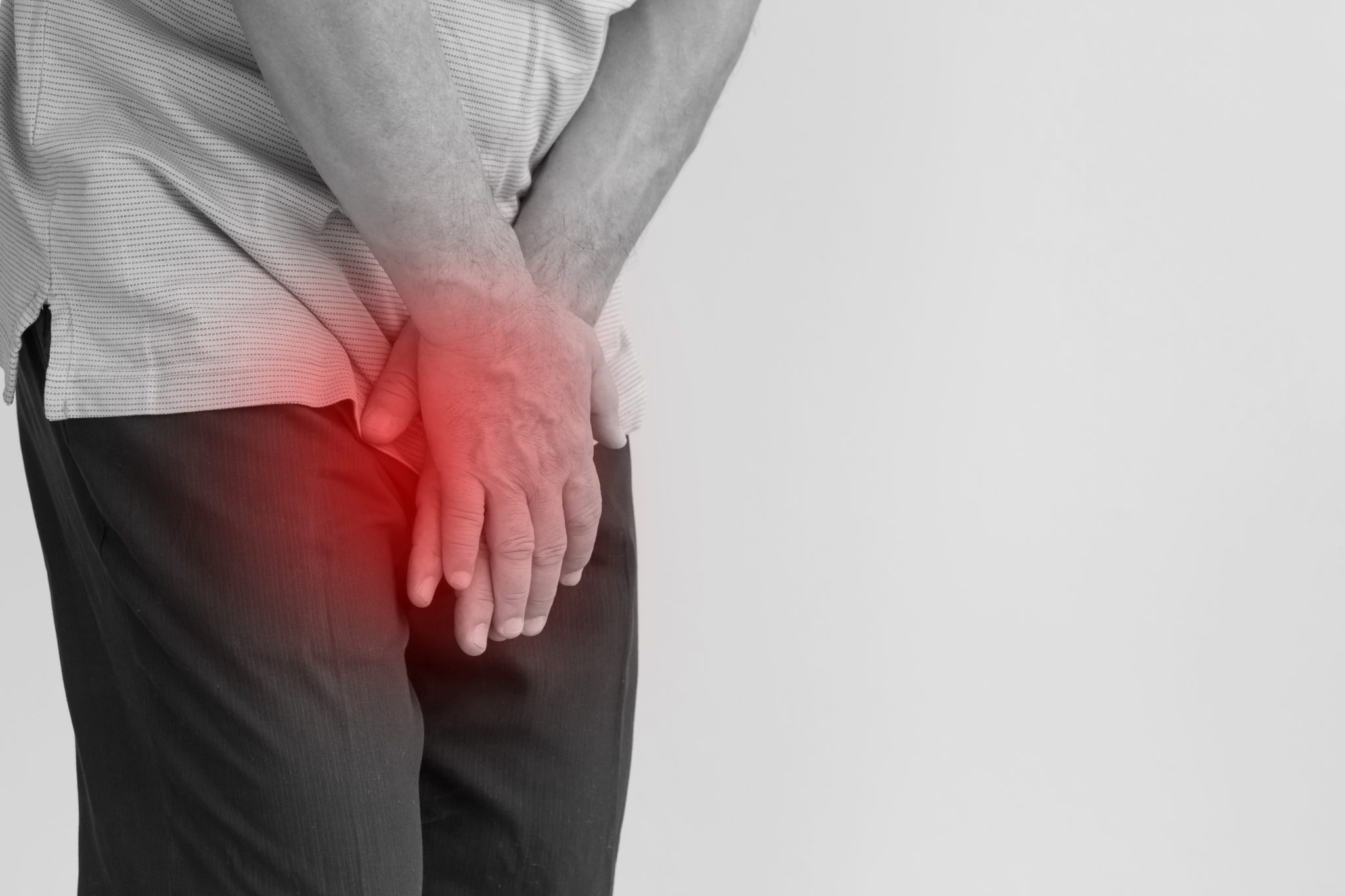
At first, I blamed stress. Then work. Then age. Then lack of sleep. I kept telling myself it would pass on its own.
But it did not.
The first symptoms I ignored
It did not begin with severe pain.
If it had, maybe I would have reacted sooner. But prostatitis can start quietly. At least, that is how it felt for me.
The first thing I noticed was that I started going to the bathroom more often, especially in the evenings and at night. I used to sleep through the night without thinking about it. Then I started waking up once. Then twice. Then more often than I wanted to admit.
Each time, I found an excuse.
Too much coffee. Too much tea. Cold weather. Sitting too long. Stress at work.
Then came a strange heaviness in my lower abdomen. Not sharp pain, but pressure. A feeling that something inside would not fully relax. Sometimes I felt discomfort in the perineal area. Other times, it seemed to spread into my lower back.
The worst part was not even the discomfort.
It was the feeling that I no longer felt normal.
How prostatitis started affecting my daily life
I work at a computer, so I spend a lot of time sitting. Eight to ten hours a day had always seemed normal to me.
But once the symptoms started, everyday life became harder.
I would sit in meetings thinking less about the conversation and more about when I could get to a bathroom again. During drives, I automatically looked for places where I could stop if I needed to. At night, I went to bed already expecting to wake up.
I became more irritable. I slept poorly. I felt tired all the time. I moved less. There was a constant feeling that my body was no longer working the way it used to.
And still, I did not tell anyone.
Why men wait too long
Looking back, I realize the problem was not only physical.
A large part of it was shame.
I felt uncomfortable even admitting to myself that I might have prostatitis. In my mind, it sounded like something only older men dealt with. Something embarrassing. Something that somehow made me feel less masculine.
Of course, none of that is true.
Prostatitis can affect men at different ages, especially when stress, sedentary habits, exposure to cold, infections, or other health issues are involved.
But at the time, I was not thinking rationally.
I would open Google and search:
- frequent urination in men
- lower abdominal pressure male
- pelvic pain in men
- prostatitis symptoms
- why do I wake up at night to urinate?
I would read a few articles, close the tabs, and convince myself it was probably something else.
Deep down, though, I already knew I needed to take it seriously.
The symptoms that finally got my attention
Over time, the signs became impossible to ignore.
I started experiencing:
- frequent urges to urinate
- discomfort in the lower abdomen
- a pulling or aching feeling in the pelvic area
- a weaker urine stream
- nighttime trips to the bathroom
- fatigue and irritability
- lower confidence
- tension in my intimate life
That last part was the hardest to admit.
Because prostatitis does not affect only the body. It affects your mind too.
You begin worrying in advance. You wonder if something will go wrong. You avoid closeness. You become quieter and more withdrawn.
And the longer you stay silent, the heavier the problem feels.
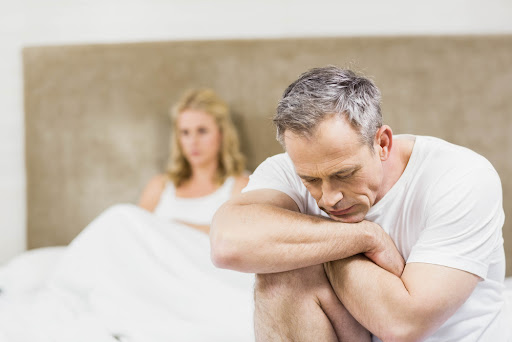
How it affected my relationship
At first, my wife did not understand what was happening.
She could see that I was nervous, tired, and distant. Sometimes I snapped over small things. Other times, I simply withdrew into myself.
I told her I was stressed from work. That I had not slept well. That I had too much on my mind.
All of that was true.
But it was not the whole truth.
The truth was that I was scared to talk about the symptoms. I did not want her to worry. I did not want to appear weak. And I did not want to hear, “You should see a doctor,” because deep down, I already knew she would be right.
I think many men will recognize themselves in that moment.
Why I started looking for real information about prostatitis
One night, I woke up again and went to the bathroom. It was around three in the morning.
When I came back to bed, I could not fall asleep.
I lay there thinking: I am only in my forties, but my body is already controlling my schedule. Where I go. How long I sit. How well I sleep. How calm I feel. Even how close I am with the person I love.
That night, I stopped casually searching symptoms and started reading seriously.
I researched what prostatitis is, why it happens, what symptoms it causes, how acute prostatitis differs from chronic prostatitis, and when a man should see a doctor.
And I realized something important:
Ignoring the problem does not make it smaller. It only allows it to become part of your life.
What is prostatitis?
Prostatitis is inflammation of the prostate gland.
The prostate sits below the bladder and surrounds part of the urethra. It plays an important role in male urinary and reproductive health.
When something affects the prostate, a man may experience:
- pain or discomfort in the lower abdomen
- frequent urination
- waking up at night to urinate
- a feeling that the bladder is not fully empty
- discomfort in the groin or perineal area
- changes in sexual function or libido
- fatigue, tension, or anxiety
It is important to understand that these symptoms can have different causes. That is why self-diagnosing is not the best approach. Speaking with a healthcare professional and getting a proper evaluation matters.
What I was most afraid of
Honestly, I was afraid of the diagnosis.
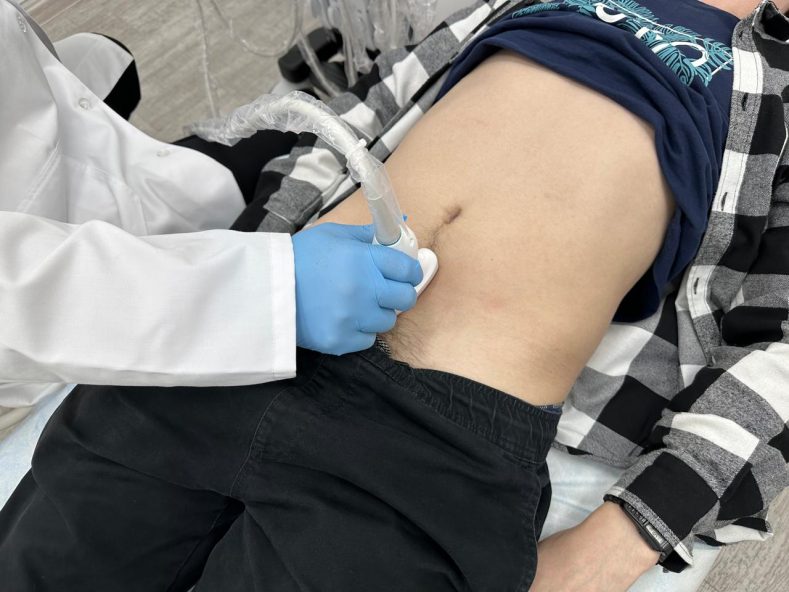
I was afraid of the examination. Afraid of hearing that I had waited too long. Afraid that this would become a permanent part of my life.
But eventually, I became more afraid of continuing to live the way I was living.
Because prostatitis does not only take away comfort.
It takes away peace of mind.
You stop feeling free in your own body.
What I realized
At some point, I understood I could not keep pretending nothing was wrong.
Yes, the topic is uncomfortable. Yes, it is difficult to talk about. And yes, it is tempting to wait and hope the symptoms disappear.
But when those symptoms start affecting your sleep, work, driving, relationship, confidence, and mood, it is no longer “just a small issue.”
It is a signal.
And it is better to listen to that signal sooner rather than later.
What happened next
After that, I started learning what options exist for supporting prostate health, which habits I needed to change, and why simply waiting was not a real solution.
In the next article, I will share what helped me find relief, which changes made the biggest difference, and what I wish I had understood much earlier.
Important note: This article reflects a personal experience and should not be treated as medical advice. Symptoms such as pelvic pain, urinary changes, or discomfort should be discussed with a qualified healthcare professional for proper evaluation and diagnosis.
Sources
- Prostatitis can cause pelvic pain and urinary symptoms and is not always linked to infection — NHS: Prostatitis.
- Prostate problems such as BPH and prostatitis can cause urinary frequency, urgency, and weak stream — NIDDK: Prostate Problems.
- Burning when urinating is a classic UTI symptom, but tests can come back negative — NHS: Urinary Tract Infections.
- Chronic pelvic pain syndrome is the most common form of prostatitis and can occur with normal test results — Cleveland Clinic: Prostatitis.
- Benign prostate enlargement commonly causes difficulty starting urination and frequent night-time trips — NHS: Benign Prostate Enlargement.
When symptoms start changing sleep or confidence, the next useful step is knowing when urinary symptoms deserve a doctor visit.
For the support side of the journey, compare this personal experience with lifestyle and supplement research for prostate health.