This pattern sits close to incomplete bladder emptying and can also overlap with weak urine stream symptoms in men.
Start here: For the full map of urinary symptoms, red flags, and next articles, read the Men’s Urinary Symptoms Guide.
Written and reviewed by Doctor Wellness Journal Editorial Team. Last updated: September 11, 2026.
Our health guides are educational, use cautious medical wording, cite sources where relevant, and do not replace advice from a qualified doctor, GP, huisarts, pharmacist, or clinician. Supplement mentions are reviewed for ingredient transparency, realistic claims, safety notes, and affiliate disclosure boundaries.
About our editorial standards · How we evaluate supplement information
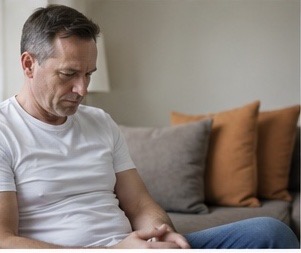
My name is Mark, I’m 44, and the worst part was not the toilet trips. It was the fear between them. I would pee, wash my hands, walk back to the sofa, and within minutes feel the urge again. But only a little came out. My wife, Laura, tried to be kind, but I could see she was worried. If you are searching for constant urge to pee but only a little comes out, you may be dealing with bladder irritation, urinary retention, prostatitis, CPPS, anxiety, or pelvic floor tension. In the UK, this is a good reason to speak to a GP, especially if it keeps happening.
NIDDK describes urinary retention symptoms as including trouble starting urination, weak or slow stream, frequent urination in small amounts, and feeling that the bladder is not fully empty.
Key Takeaways
- A constant urge with little output is a distinct pattern from ordinary frequent urination and points more towards retention, CPPS, or pelvic tension.
- “Just in case” peeing can train the bladder to feel urgency more easily — breaking this habit is a genuinely useful first step.
- Fever, cloudy urine, or worsening urgency suggest infection and should prompt a GP visit rather than waiting.
- Inability to pass urine at all, severe pain, or visible blood are emergency signs requiring urgent medical care.
Symptoms
You may notice:
- A constant urge to pee. The urge may return almost immediately after going.
- Only a small amount of urine. You feel desperate, but very little comes out.
- Bladder pressure. The lower abdomen may feel full, tight, or uncomfortable.
- Frequent toilet trips. You may go again and again, especially during stress.
- Weak or stop-start stream. Flow may feel slow, hesitant, or incomplete.
- Pelvic or perineum discomfort. Some men feel pressure between the testicles and anus.
- Night-time urination. Waking up to pee can make the whole situation feel worse.
Possible Causes
A constant urge to pee but only a little comes out can have several causes:
- Urinary retention. The bladder may not fully empty, so you feel the urge again soon after.
- Prostatitis. Prostatitis can cause frequent urination, painful urination, difficulty peeing, genital pain, and sometimes fever.
- CPPS. Chronic pelvic pain syndrome can cause urinary urgency and pelvic pain, often without a clear infection.
- Pelvic floor tension. Tight pelvic muscles can make the bladder feel irritated or make it harder to relax while peeing.
- Urinary tract infection. Burning, cloudy urine, fever, or worsening urgency may suggest infection.
- Bladder irritation. Caffeine, alcohol, fizzy drinks, and spicy foods can worsen urgency in some people.
- Anxiety loop. Once you start fearing the urge, you may monitor every bladder sensation, making the urge feel louder.
When to Seek Care
If your symptoms feel severe, are getting worse quickly, or include things like severe pain, fever, difficulty breathing, or inability to urinate, seek medical care promptly rather than waiting it out.
Lifestyle Steps
- Keep a bladder diary. Track drinks, toilet trips, urine amount, pain, stress, caffeine, and sleep.
- Avoid “just in case” peeing. Going too often can train the bladder-brain loop to become more sensitive.
- Reduce caffeine and alcohol. Try a short break or reduction to see if urgency improves.
- Use slow breathing during urgency. Relax your jaw, belly, and pelvic area.
- Try double voiding gently. Pee, wait a minute, then try again without forcing.
- Move regularly. Long sitting can worsen pelvic pressure for some men.
- Speak to a pharmacist or GP about medicines. Some medicines can affect urination. Do not stop prescribed medication without advice.
Product and Supplement Context
A urinary or prostate wellness supplement may support general daily urinary wellbeing, but it should not be used to treat urinary retention, prostatitis, CPPS, UTI, or persistent urgency.
It may be considered as part of a wider routine that includes hydration, reducing irritants, pelvic relaxation, and GP advice. It is not suitable as your only response if symptoms are new, severe, worsening, or linked with fever, blood, or inability to pass urine.
FAQ
Constant urge to pee but only a little comes out UK — is it serious?
It can be caused by bladder irritation, anxiety, prostatitis, CPPS, UTI, or urinary retention. If it lasts, worsens, or comes with pain or fever, contact a GP.
Why do I feel urge to pee but little comes out male UK?
Possible causes include incomplete bladder emptying, pelvic floor tension, prostate problems, infection, or bladder sensitivity. Symptoms alone cannot confirm the cause.
Can CPPS cause frequent small urination in men?
Yes, CPPS can involve pelvic pain with urinary urgency or frequent urination. It may happen even when infection tests are normal.
Is constant urge to pee anxiety or prostatitis?
It can be either, or both can overlap. Anxiety can worsen urgency, while prostatitis or CPPS can create real urinary symptoms.
When is urinary urgency an emergency?
Seek emergency care if you cannot pass urine, have severe lower abdominal pain, visible blood in urine, fever, vomiting, confusion, or severe weakness.
Sources
- NIDDK: urinary retention symptoms
- NHS: prostatitis symptoms
- Cleveland Clinic: prostatitis and urinary symptoms
- Mayo Clinic: prostatitis and painful urination
- PubMed: CPPS and pelvic floor dysfunction research
Medical note: This article is for general information only and does not replace advice from a doctor, GP, pharmacist, or qualified healthcare professional.
Next step: Explore daily urinary and prostate support.
When urgency rises during stress, the guide to constant urge to pee with anxiety can help separate nervous-system triggers from medical red flags.
For broader context, compare this article with frequent urination in men and daily urinary support considerations.