
Key Takeaways
- There is no single official food list proven to shrink an enlarged prostate.
- Caffeine and alcohol may worsen urinary frequency or urgency for some people, so tracking personal symptoms can be useful.
- Reducing fluids before bedtime or before going out may help reduce inconvenient urination for some people.
- A balanced eating pattern supports general health, but diet does not replace medical assessment or treatment for benign prostatic hyperplasia (BPH).
- Ongoing urinary symptoms deserve medical assessment because BPH-like symptoms can have other causes.
How an Enlarged Prostate Relates to Food Choices
An enlarged prostate, often called benign prostatic hyperplasia or BPH, can occur alongside urinary symptoms. Those symptoms vary from person to person. Some people notice frequent urination, urgency, or nighttime inconvenience, while others have a different pattern. Because similar symptoms may have other causes, a person should not assume that every change in urination is simply BPH.
That matters when considering searches such as “what foods should I avoid with an enlarged prostate?” Diet can be discussed as one part of symptom management. It should not be presented as a way to reduce prostate enlargement, replace an assessment, or stand in for treatment recommended by a healthcare professional.
Official guidance does not establish one universal food list that shrinks the prostate. A balanced eating pattern may support general health, but the more useful dietary question is often personal: does a particular drink or eating habit seem to make urinary frequency or urgency worse?
Foods and Drinks That May Worsen Urinary Symptoms
Caffeine and urinary frequency or urgency
Caffeine can worsen urinary frequency or urgency for some people. This does not mean every person with BPH needs to remove every caffeinated drink. A more careful approach is to notice whether symptoms change when caffeine is limited.
People often ask whether coffee is bad for an enlarged prostate. The available guidance supports a symptom-based answer rather than a blanket rule: coffee or another caffeinated drink may be worth reviewing if it seems to coincide with more frequent or urgent urination. The same principle applies to tea, energy drinks, or other sources of caffeine. The available guidance does not establish that any of these foods or drinks shrink or enlarge the prostate.
Alcohol and urinary symptoms
Alcohol can also worsen urinary frequency or urgency for some people. Someone who notices more bathroom trips or stronger urgency after drinking may choose to limit alcohol and observe whether that changes the pattern.
This is not a claim that alcohol affects everyone with BPH in the same way. Symptoms vary, and an individual response is more useful than a rigid list of forbidden foods. If urinary problems continue despite changing a suspected trigger, medical assessment remains appropriate.
Fluid timing and inconvenient urination
Fluid timing may matter more than searching for a special “best drink for prostate health.” Reducing fluids before bedtime or before going out may help reduce inconvenient urination for some people with urinary symptoms. The point is timing, not avoiding fluids altogether.
Someone who wakes to urinate may consider whether drinking close to bedtime is part of the problem. Someone planning a long journey or an event may think about fluid timing beforehand. If symptoms are persistent, disruptive, or changing, these practical steps should be used alongside a discussion with a healthcare professional rather than as a replacement for one.
What to Eat Instead: A Balanced Eating Pattern
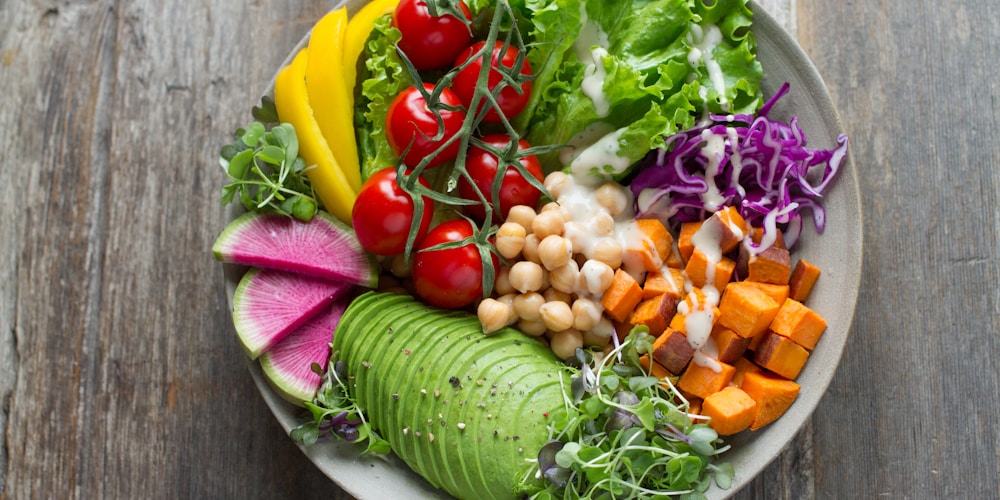
There is no official BPH food plan established to shrink the prostate. For that reason, “what to eat instead” should not become a promise about a particular fruit, vegetable, spice, or meal. The supported message is simpler: choose a balanced eating pattern for general health, while paying attention to drinks and habits that appear to affect personal urinary symptoms.
This approach avoids turning a broad health recommendation into a treatment claim. It also allows for individual differences. One person may notice a relationship between caffeine and urgency; another may not. One person may find that reducing fluids before bed is helpful; another may still need assessment for ongoing nighttime urination.
Readers looking for wider context on lifestyle choices may also find our guide to prostate health supplements and lifestyle support useful, provided supplements are not treated as replacements for prescribed care or medical assessment.
Who May Find These Changes Useful?
People who notice urinary frequency or urgency after caffeine or alcohol may benefit from a short period of careful observation while limiting the suspected trigger. Similarly, people bothered by inconvenient urination before sleep or before going out may find fluid timing worth considering.
These steps are best understood as experiments in symptom management, not as evidence of a diagnosis. A change in symptoms after limiting a drink does not establish the reason for the urinary problem. It only suggests that the person may have identified a possible trigger.
People with ongoing symptoms should seek assessment because BPH symptoms vary and similar urinary symptoms may have other causes. A food diary or simple note about drinks, timing, urgency, and frequency can help a person describe the pattern clearly without assuming the explanation in advance.
Why Diet Alone May Not Be Enough
Anyone with persistent or troublesome urinary symptoms should not rely only on food changes. Diet does not replace medical assessment or treatment for BPH. The same is true when symptoms are new, worsening, or interfering with sleep and daily activities.
A balanced diet can support general health, but official BPH guidance does not establish a single food list that removes prostate enlargement. Be cautious of advice that presents one food, drink, supplement, or restrictive plan as a certain answer. The evidence supplied for this article supports symptom-management choices, not a treatment claim.
What to Check Before Changing Food or Drink Habits
The available guidance does not provide a detailed list of food-drug interactions for BPH dietary changes. It does support a cautious boundary: food and drink adjustments should not be used to replace treatment or medical review.
People already receiving care should discuss significant dietary changes with their healthcare professional, especially if symptoms continue. Do not change prescribed treatment based only on an online food list. If a drink appears to worsen urgency or frequency, limiting it can be considered as a personal symptom-management choice while the underlying urinary symptoms are still assessed when needed.
When to Seek Medical Care
When to seek emergency help
Seek emergency help by calling emergency services or your local emergency number immediately if urinary symptoms feel like an emergency or you cannot safely manage the situation. Do not delay urgent help while trying a diet change.
When to seek urgent medical advice
Seek urgent medical advice when urinary symptoms are ongoing, worsening, or causing significant difficulty in daily life. Similar symptoms may have causes other than BPH, so persistent problems should be assessed rather than explained away as a food issue.
When to arrange a routine appointment
Arrange a routine appointment for recurring urinary frequency, urgency, or other symptoms that do not settle. Bring a brief record of drinks, fluid timing, and symptoms. This can help explain whether caffeine, alcohol, or fluids before bedtime appear to coincide with inconvenience without treating that pattern as a diagnosis.
Practical Lifestyle Steps
- Notice whether caffeine seems to coincide with urinary frequency or urgency.
- Notice whether alcohol appears to make those symptoms worse.
- Consider reducing fluids before bedtime or before going out if inconvenient urination is the main concern.
- Keep the focus on a balanced eating pattern rather than a promised prostate-shrinking food.
- Record symptom timing and suspected triggers for discussion with a healthcare professional.
- Seek assessment for ongoing urinary symptoms, since BPH-like symptoms may have other causes.
- Use diet as a practical symptom-management tool, not as a replacement for medical assessment or treatment.
The most accurate answer to “what foods should I avoid with an enlarged prostate?” is individual and limited. Caffeine and alcohol may worsen frequency or urgency for some people, and fluid timing may reduce inconvenience for some. Beyond those choices, balanced eating supports general health, but no single official food list has been established to shrink the prostate.
FAQ
What foods should I avoid with an enlarged prostate?
There is no official universal food list proven to shrink the prostate. Caffeine and alcohol may worsen urinary frequency or urgency for some people, so limiting a suspected trigger may be worth assessing personally.
Is coffee bad for an enlarged prostate?
Caffeine can worsen urinary frequency or urgency for some people. A person can assess whether limiting coffee or another caffeinated drink changes their own symptoms.
Should I stop drinking water before bed with BPH?
Reducing fluids before bedtime may help reduce inconvenient urination for some people with urinary symptoms. It is a symptom-management choice, not a replacement for medical assessment.
Can diet get rid of an enlarged prostate?
No. Diet does not replace medical assessment or treatment for BPH, and official guidance does not establish a single food list that shrinks the prostate.
When should urinary symptoms be checked?
Ongoing urinary symptoms should be assessed because BPH symptoms vary and similar symptoms may have other causes.
Sources
- NIDDK — Enlarged Prostate: Treatment
- NHS — Enlarged prostate
- Mayo Clinic — Benign prostatic hyperplasia: Symptoms and causes
This article is for general information only and does not replace advice from a doctor, GP, pharmacist, or qualified healthcare professional.