
Key Takeaways
- Testosterone levels change during the day and can be affected by illness, medicines, sleep and other factors.
- Testosterone deficiency should be considered alongside symptoms and consistently low results, usually confirmed with repeat morning testing.
- Possible symptoms include reduced sexual desire, erectile problems, low energy, depressed mood and reduced muscle mass, but other conditions can cause similar symptoms.
- Testosterone treatment is not routinely recommended for every man with a low reading.
- Men planning fertility soon should discuss this before treatment because testosterone therapy can suppress sperm production.
- Monitoring may include prostate-related findings, blood counts, cardiovascular concerns and sleep-related concerns.
What Testosterone Is and Why It Matters
Testosterone is sometimes discussed as though it explains every change in energy, sex drive or physical strength. That assumption can lead to confusion. A low test result is not, by itself, the same as a diagnosis, and a symptom such as tiredness does not identify one cause.
For men asking “what does low testosterone feel like?”, the answer is more complicated than a checklist. Symptoms associated with testosterone deficiency may include reduced sexual desire, erectile problems, low energy, depressed mood and reduced muscle mass. These symptoms are not specific. Other conditions may cause similar experiences, so test results need to be interpreted alongside the wider clinical picture.
Common Symptoms of Low Testosterone
People commonly search for “low testosterone symptoms in men” after noticing a cluster of changes. Reduced sexual desire and erectile problems may prompt the question first. Low energy, depressed mood or a perceived reduction in muscle mass can also raise concern.
That concern is reasonable, but a symptom list cannot confirm the cause. The same experience may have more than one explanation, and the Endocrine Society guidance stresses the importance of matching symptoms with consistently low testosterone levels. A clinician may therefore ask when symptoms began, how persistent they are and whether illness, medicines or sleep changes could be relevant.
Low Energy Does Not Confirm Testosterone Deficiency
No single symptom in this list identifies testosterone deficiency. Low energy may occur with other conditions, just as mood changes or sexual difficulties may have several possible causes. Treating a number without establishing the underlying context can miss those other explanations.
How Testosterone Is Tested
Testosterone levels vary during the day. They can also be affected by illness, medicines, sleep and other factors. This is why a single test taken at an unspecified time may not provide a dependable basis for a diagnosis.
Clinical guidance recommends repeat morning testing when assessing possible hypogonadism. In practical terms, a man with relevant symptoms and one unexpectedly low result may need the result checked again rather than assuming the first number tells the whole story. The timing and circumstances of testing are part of the interpretation.
Why Repeat Morning Testing Matters
Repeat morning testing means that the assessment should not rest on one isolated reading. The clinician considers symptoms and whether testosterone remains low on repeat morning testing. Illness, medicines and sleep are among the factors that may affect levels, so sharing relevant information before testing can help provide context.
If you are searching “when should testosterone be tested?”, the safest answer is to follow the testing plan provided by your healthcare professional. Do not interpret a result from an online reference range as a diagnosis of your own condition.
Who May Be Considered for Testosterone Therapy?
The Endocrine Society recommends against routinely prescribing testosterone therapy to all men with low levels. Treatment decisions should follow an individual assessment of symptoms, confirmed levels, possible causes and potential risks.
This approach differs from treating a laboratory result in isolation. A clinician may first consider whether the symptoms fit, whether low levels are consistently present and what might be contributing to the result. The decision is personal and medical; it is not something to settle by comparing yourself with an advertisement or another man’s treatment.
The FDA states that testosterone products are approved only for men with low testosterone associated with a medical condition, rather than simply for age-related changes. Product labels also include important safety information. This does not mean every man with a medical condition will be offered treatment, but it underlines why appropriate assessment matters.
Testosterone Therapy, Fertility and Reproductive Plans
Men planning fertility in the near term should raise that subject before starting testosterone therapy. The Endocrine Society advises against testosterone therapy for men planning fertility soon because it can suppress sperm production.
This conversation belongs at the beginning, not after treatment has started. If having children is part of your near-term plans, say so clearly during the appointment. A reproductive goal can change the discussion about whether testosterone therapy is appropriate.
Safety Checks and Monitoring During Treatment
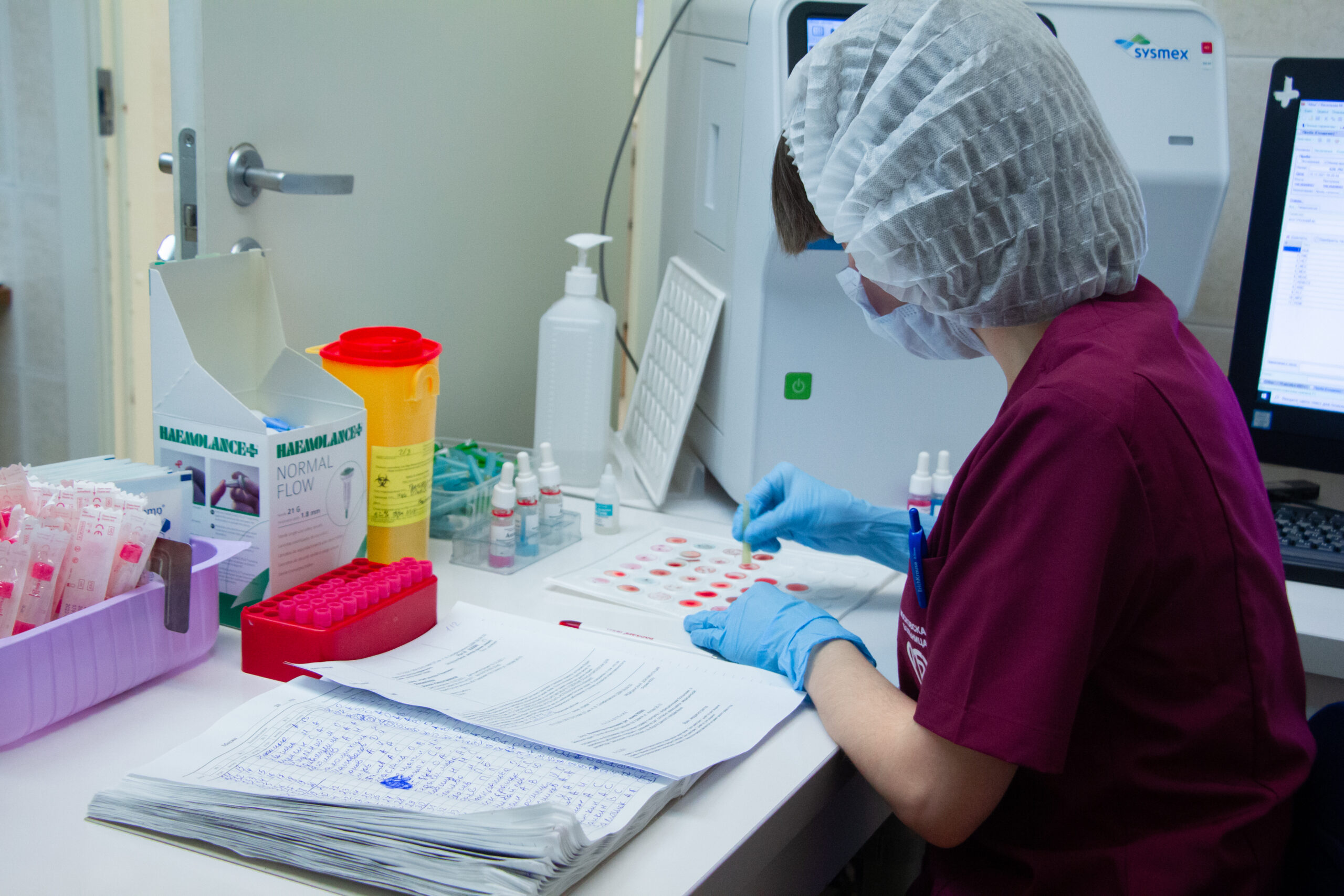
Before and during testosterone treatment, clinicians assess contraindications and monitor patients. Guidance includes attention to prostate-related findings, blood counts and cardiovascular or sleep-related concerns.
Monitoring is part of deciding whether treatment remains suitable and how the person is responding. Ask what follow-up will involve, which findings will be reviewed and what symptoms should prompt a call. The exact monitoring plan depends on the individual assessment.
Testosterone Treatment and Prostate Health
Prostate-related findings are among the issues clinicians consider before and during treatment. That does not allow a reader to decide independently whether testosterone is safe or unsafe. It means prostate concerns should be included in the medical conversation, particularly if you already have relevant findings or symptoms.
If your main concern is urinary rather than hormonal—such as a change in stream, frequency or nighttime urination—our guide to when to see a doctor for prostate or urinary symptoms may help you prepare for a conversation with a clinician.
Testosterone Treatment and Age-Related Changes
One common question is “can I take testosterone for aging?” The FDA says testosterone products are approved for men with low testosterone associated with a medical condition, not simply for age-related changes.
Age may be part of the background to a concern, but it is not a substitute for diagnosis. Symptoms, repeat morning results, possible causes and potential risks still need to be considered. This is also why online products or promises of a quick hormone fix deserve caution.
What to Do If You Think Your Testosterone Is Low
Start by writing down the changes that concern you: sexual desire, erectile problems, energy, mood or muscle mass. Note when they began and whether they are persistent. Bring a list of medicines and mention recent illness or disrupted sleep, since these factors can affect testosterone levels.
Ask whether morning testing and repeat testing are appropriate, and ask how symptoms and results will be interpreted together. If treatment is discussed, explain your fertility plans and ask about prostate-related findings, blood counts, cardiovascular concerns and sleep-related concerns that may require monitoring.
A supplement marketed for “male vitality” is not a substitute for this assessment. The guidance here supports an individualized clinical discussion, not self-treatment based on a product label or one online test.
When to Seek Care
Emergency Care
The verified information available for this article does not define a testosterone-specific emergency symptom. If you develop a sudden, severe or immediately dangerous health problem, call emergency services or your local emergency number immediately.
Prompt Medical Advice
Contact a healthcare professional promptly if symptoms are troubling, worsening or interfering with daily life, sexual wellbeing or mood. Also seek prompt advice if you have concerns about a medicine, recent illness or sleep problem that may be affecting your results or symptoms.
Routine Medical Appointment
Arrange a routine appointment if you have ongoing reduced sexual desire, erectile problems, low energy, depressed mood or reduced muscle mass and want to know whether testosterone could be involved. A routine assessment can consider symptoms, repeat morning testing, possible causes, fertility plans and treatment risks.
Practical Steps to Take
- Keep a simple record of symptoms, including when they started and whether they continue.
- Tell your clinician about illness, medicines and changes in sleep before testosterone testing.
- Discuss fertility plans before considering testosterone therapy.
- Ask how results will be confirmed and what monitoring would be needed if treatment is considered.
- Use a healthcare appointment to discuss both hormonal concerns and other possible explanations for nonspecific symptoms.
- Be cautious about making decisions from a single test, an online advertisement or another person’s treatment experience.
FAQ
What are the signs of low testosterone in men?
Possible symptoms include reduced sexual desire, erectile problems, low energy, depressed mood and reduced muscle mass. These symptoms are not specific, and other conditions can cause similar problems.
How many testosterone tests are needed for a diagnosis?
A diagnosis should be based on symptoms and consistently low testosterone levels. Clinical guidance recommends repeat morning testing because levels vary during the day and can be affected by illness, medicines, sleep and other factors.
Does testosterone therapy help every man with a low result?
No. The Endocrine Society recommends against routinely prescribing testosterone therapy to all men with low levels. Treatment decisions should consider symptoms, confirmed levels, causes and potential risks.
Can testosterone therapy affect fertility?
Yes. Testosterone therapy can suppress sperm production, so it is not recommended for men planning fertility in the near term. Reproductive plans should be discussed before treatment.
What is monitored during testosterone treatment?
Clinicians assess contraindications and monitor patients, including attention to prostate-related findings, blood counts and cardiovascular or sleep-related concerns.
Sources
- Endocrine Society — Testosterone Therapy in Men With Hypogonadism clinical practice guideline
- FDA — Testosterone products and low testosterone due to aging
This article is for general information only and does not replace advice from a doctor, GP, pharmacist, or qualified healthcare professional.