
Key Takeaways
- Obesity is a chronic, complex disease involving excessive fat accumulation that can impair health.
- BMI uses height and weight as a screening measure, but it does not directly measure body fat or show where fat is distributed.
- Eating patterns, activity, sleep, medicines, health conditions, genes, stress and environment can interact to influence body weight.
- Obesity is associated with type 2 diabetes, cardiovascular disease, some cancers, sleep apnea, osteoarthritis and other health problems. Risk is not identical for everyone.
- Assessment and care should be individualized rather than based on BMI or a target weight alone.
What Is Obesity?
Obesity is a chronic, complex disease characterized by excessive fat accumulation that can impair health. This definition moves the discussion beyond appearance and recognizes that obesity is a health condition influenced by many interacting factors.
Obesity is not simply a matter of willpower. Body weight may be influenced by eating patterns and activity, but those are only part of the picture. Sleep, medicines, health conditions, genes, stress and a person’s environment can also have an influence. Reducing obesity to motivation alone overlooks that complexity and can reinforce harmful stigma.
Respectful language also has health implications. Weight stigma can harm health and discourage people from seeking care. A useful conversation focuses on the person’s concerns, health status and options—not blame or assumptions based on body size.
Does BMI Alone Define Obesity?
BMI, or body mass index, is calculated from weight and height. It is widely used as a screening measure, which means it can help identify when a more complete health assessment may be appropriate. It is not a direct measurement of body fat.
BMI also does not show where fat is distributed. Two people may therefore have a similar BMI while differing in body composition, fat distribution, medical history and other health risks. BMI is useful for screening, but it has clear limits and should not replace a complete clinical assessment.
How BMI Differs From Body Fat
BMI is a calculation based on two measurements—height and weight. Body fat refers to fat tissue itself. Because BMI does not directly measure that tissue, the two terms are not interchangeable.
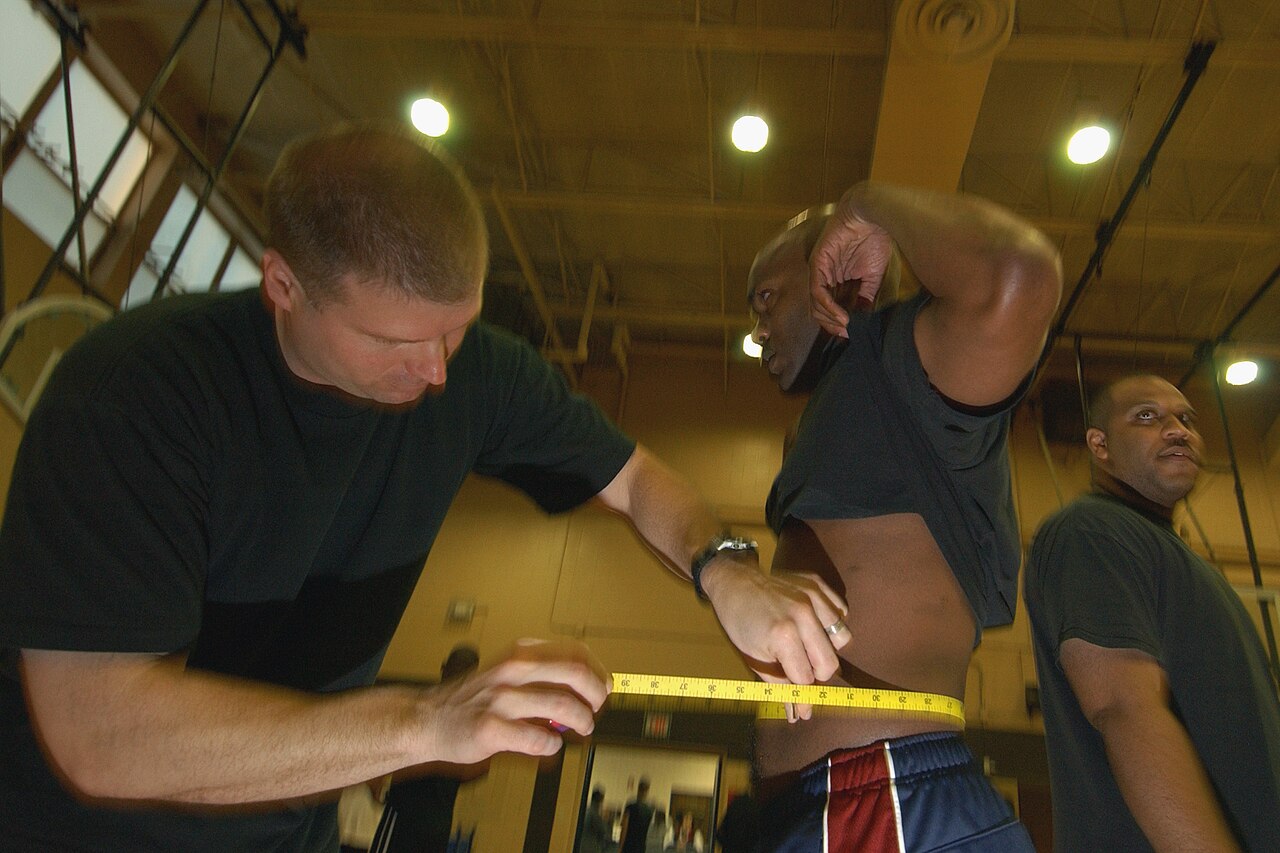
BMI also cannot indicate where fat is carried. Because that information is missing, a clinician may consider waist measurement alongside health history, a physical examination, medicines, laboratory tests and other risk factors.
How Clinicians Assess Obesity Beyond BMI
A broader assessment can start with health history and a physical examination. A clinician may review medicines, consider laboratory tests, measure the waist and evaluate other factors connected with health risk. The exact assessment depends on the individual rather than a one-size-fits-all checklist.
This approach provides context for the BMI result. It may also identify factors that deserve separate attention, such as a medicine or health condition that could be influencing weight. The aim is not simply to assign a label, but to understand the person’s health more fully and discuss appropriate next steps.
What Causes Obesity? 7 Interacting Factors
There is rarely one explanation for weight gain. Body weight can reflect several influences acting together, and the mix can differ from person to person.
1. Eating Patterns
Eating patterns are one factor that can affect body weight. They belong in an assessment, but they should not be treated as the whole explanation. Nutrition support is also one possible part of evidence-based care when tailored to individual needs.
2. Physical Activity
Activity can influence weight and may be considered alongside eating patterns. Activity support can form part of treatment, but care should not be limited to telling someone to move more. Other factors may shape both weight and the care plan.
3. Sleep
Sleep is among the factors that can affect weight and health. An assessment of weight may therefore include sleep rather than focusing only on food or exercise.
4. Medicines and Health Conditions
Medicines and health conditions may influence body weight. This makes a medication review and medical history relevant parts of an assessment. Prescription treatment should not be stopped or changed without talking to the prescribing clinician.
Prescription medicines can also be used as part of obesity care for some people, depending on individual needs and health status. Readers considering that option may find our overview of how GLP-1 medications work and their safety considerations useful as a starting point for a conversation with a doctor.
5. Genes
Genes are another recognized influence on weight. Their role helps explain why two people may respond differently to similar circumstances and why obesity cannot be adequately explained as a personal failure.
6. Stress
Stress can contribute to the factors affecting weight and health. An individualized discussion may therefore be more useful than focusing narrowly on a scale reading.
7. Environment
A person’s environment can shape weight alongside biological, medical and behavioral factors. Considering environmental influences recognizes that not every factor is under a person’s immediate control.
These seven factors are not separate diagnoses. They may overlap, and an assessment should consider the combination relevant to the individual rather than assume that the same cause applies to everyone.
What Health Problems Are Linked to Obesity?
Obesity is associated with an increased risk of several health problems, including type 2 diabetes, cardiovascular disease, some cancers, sleep apnea and osteoarthritis. The phrase “associated with” is important: it describes increased risk, not a certainty that every person with obesity has or will develop these conditions.
Type 2 Diabetes
Type 2 diabetes is among the conditions associated with obesity. Body size alone does not diagnose diabetes or establish an individual’s risk. If weight and blood sugar are both concerns, our guide to insulin resistance, weight gain and testing discusses questions to raise with a healthcare professional.
Cardiovascular Disease and Some Cancers
Obesity is also associated with increased risks of cardiovascular disease and some cancers. Individual risk varies, so these associations are reasons to seek an appropriate health assessment rather than causes for fear or self-diagnosis.
Sleep Apnea and Osteoarthritis
Sleep apnea and osteoarthritis are also among the health problems associated with obesity. Symptoms alone do not confirm either condition. New or persistent concerns deserve a clinical evaluation.
Obesity care is about health, not simply achieving a particular appearance. Health history, examination findings, laboratory tests, waist measurement and other risk factors can help place population-level associations into an individual context.
Who May Benefit From Obesity Care?
Someone concerned about weight, a BMI result or related health risks may benefit from a routine assessment. This may be especially relevant when weight changes occur alongside concerns about sleep, medicines, an existing health condition or other personal risk factors.
Care should be individualized. Evidence-based options may include nutrition and activity support, behavioral treatment, prescription medicines, and metabolic or bariatric surgery. Which options are appropriate depends on the person’s needs and health status.
No single option is right for everyone. A clinician can review the person’s health history, examination, medicines, laboratory information, waist measurement and other risk factors before discussing a plan.
Treatment Contraindications and Interactions
There is no single list of contraindications that applies to every obesity treatment. Nutrition support, behavioral treatment, prescription medicines and metabolic or bariatric surgery are different forms of care; their suitability depends on individual needs and health status.
Medicines are relevant in two ways. Some medicines may influence weight, while prescription medicines may also be considered as obesity treatment. That is why a medication review belongs in a clinical assessment. Do not stop, replace or alter prescribed treatment because of weight concerns without discussing them with the prescribing clinician.
The decision about surgery also cannot be made from BMI alone. A full assessment is needed because BMI does not directly measure body fat, indicate fat distribution or capture the rest of a person’s health picture.
How to Choose a Sensible Next Step
Begin with the concern that matters most to you. It might be an unexpected change in weight, concern about BMI, a medicine that may be affecting weight, or worry about conditions associated with obesity. Bringing that specific concern to a routine appointment can help focus the discussion.
Ask for an assessment that goes beyond the scale. Depending on individual circumstances, that may include health history, a physical examination, review of medicines, laboratory tests, waist measurement and other risk factors.
Then discuss the available care options. These may include nutrition and activity support, behavioral treatment, prescription medicines, or metabolic or bariatric surgery. The plan should reflect personal needs and health status rather than pressure to reach one supposedly ideal number.
Even modest weight loss can improve some health markers for people with overweight or obesity. Still, health goals should be individualized and not reduced to a single number on the scale. A plan can instead focus on relevant health markers, practical changes and treatment that fits the individual.
When to Seek Medical Care
Emergency Care
Call emergency services or your local emergency number immediately for any situation that appears life-threatening. Obesity does not have a specific emergency-symptom checklist; emergency care should be based on the symptoms and circumstances involved.
Urgent Medical Advice
Seek urgent medical advice when a weight-related concern is worsening quickly, feels time-sensitive, or may involve a medicine or existing health condition. A healthcare professional can determine the appropriate level of assessment. Do not stop a prescription medicine without guidance from the prescribing clinician.
Routine Medical Appointment
Arrange a routine appointment if you are concerned about your weight, BMI, waist measurement, medicines or risk of an obesity-associated condition. You can also ask for help if stigma or a previous negative experience has made it difficult to seek care. Respectful, person-centered communication is part of appropriate obesity care.
Practical Steps Before an Appointment
- Prepare a short health history. Note the concern that prompted you to seek help and any relevant changes in weight, sleep, stress, eating patterns or activity.
- Make a complete medicine list. Include prescribed medicines so a clinician can consider them during assessment. Do not make independent changes to treatment.
- Look for patterns without blaming yourself. Weight is shaped by interacting behavioral, biological, medical and environmental factors.
- Ask for individualized nutrition and activity support. These can be components of evidence-based obesity treatment rather than generic instructions applied to everyone.
- Discuss behavioral support if appropriate. Behavioral treatment is one recognized option within obesity care.
- Keep goals broader than the scale. Modest weight loss may improve some health markers, but an appropriate goal should be individualized rather than defined by one number alone.
- Choose respectful support. Weight stigma can harm health and deter people from care. A constructive plan should focus on health, personal circumstances and informed choices.
FAQ
Is obesity a disease or a lifestyle choice?
Obesity is a chronic, complex disease involving excessive fat accumulation that can impair health. Eating patterns and activity can influence weight, but so can sleep, medicines, health conditions, genes, stress and environment. It is not adequately explained as a failure of willpower.
Does BMI alone mean someone has obesity?
BMI is a widely used screening measure calculated from height and weight. It does not directly measure body fat or show where fat is distributed, so clinicians may also consider health history, examination findings, medicines, laboratory tests, waist measurement and other risk factors.
What diseases are associated with obesity?
Obesity is associated with an increased risk of type 2 diabetes, cardiovascular disease, some cancers, sleep apnea, osteoarthritis and other health problems. An individual’s risk varies, and an association does not mean every person will develop these conditions.
How is obesity treated?
Evidence-based care may include nutrition and activity support, behavioral treatment, prescription medicines, and metabolic or bariatric surgery. The appropriate options depend on individual needs and health status.
Can a small amount of weight loss help?
Even modest weight loss can improve some health markers in people with overweight or obesity. Goals should be individualized and should not be reduced to a single number on the scale.
Sources
- WHO — Obesity and Overweight
- CDC — About Body Mass Index
- NHLBI — Overweight and Obesity Diagnosis
- NIDDK — Factors Affecting Weight and Health
- NIDDK — Health Risks of Overweight and Obesity
- NIDDK — Treatment for Overweight and Obesity
- NHLBI — Overweight and Obesity Treatment
- WHO — Weight Bias and Obesity Stigma
This article is for general information only and does not replace advice from a doctor, GP, pharmacist, or qualified healthcare professional.