
Fiber for weight loss is often promoted as a simple strategy, but the evidence calls for a more measured view. Higher-fiber eating patterns can support general health, and trials of certain viscous soluble fibers have reported modest changes in body weight. Neither finding means that adding one food or supplement will produce a predictable result.
This editorial guide looks at how dietary fiber may fit into weight management, which high-fiber foods offer broader nutritional value, when supplements require caution, and how to increase fiber without making abrupt changes. The practical message is straightforward: fiber can be one useful part of a sustainable plan, not a stand-alone answer.
Key Takeaways
- Fiber is found in plant foods: Dietary fiber is the part of plant foods the body cannot fully digest.
- The evidence is encouraging but limited: Higher fiber and whole-grain intake has been linked with favorable health outcomes, while randomized trials have reported improvements in body weight and cardiometabolic risk factors.
- Some supplements have modest effects: A meta-analysis of viscous soluble fiber supplements found small reductions in body weight and related measurements.
- Food offers more than isolated fiber: Beans, peas, lentils, vegetables, fruit, whole grains, nuts, and seeds provide fiber alongside other nutrients.
- Fast increases may cause discomfort: Adding fiber gradually and drinking adequate fluids may reduce gas, bloating, and cramping.
- Medicine interactions matter: Fiber supplements can affect the absorption of some medicines, so people taking regular medication should seek individualized advice.
How Fiber May Support Weight Management
Dietary fiber is not one uniform substance. It includes soluble and insoluble forms, and individual fibers differ in their physical properties. This matters because research involving a specific fiber cannot automatically be applied to every fiber-rich food, powder, capsule, or fortified product.
A planned change in weight is different from unexplained weight loss, which should be assessed rather than managed by simply adding fiber.
A large systematic review of carbohydrate quality found that higher intakes of dietary fiber and whole grains were associated with lower risks of several noncommunicable diseases. Randomized trials included in the review also reported improvements in body weight and cardiometabolic risk factors. These results support fiber-rich eating patterns, but they do not establish a fixed amount of weight change for an individual.
Another meta-analysis focused more narrowly on viscous soluble fiber supplements. Across randomized controlled trials, these supplements produced modest reductions in body weight and related measurements. That finding is relevant to questions about soluble fiber and weight loss, but it should not be stretched into a claim that all fiber supplements work in the same way.
Can Fiber Target Abdominal Fat?
The supplied evidence does not support the idea that fiber selectively reduces fat in one area of the body. Trials have assessed body weight and related measures, not a reliable method for choosing where weight changes occur. Claims that a particular fiber will specifically remove abdominal fat go beyond these sources.
A realistic interpretation is that certain types of fiber may contribute to modest overall changes when used within a broader eating pattern. Results may differ because weight is also shaped by physical activity, sleep, health conditions, medicines, and a person’s environment.
Fiber-Rich Foods Versus Fiber Supplements
High-fiber foods and supplements are not interchangeable. Beans, lentils, peas, vegetables, fruit, whole grains, nuts, and seeds contain other nutrients in addition to fiber. A supplement delivers a more isolated ingredient, and its effects depend partly on the type of fiber used.
For many people, ordinary foods are a practical place to begin. They can be incorporated into familiar meals and selected from several food groups. A balanced plate that includes fruits, vegetables, grains, and varied protein foods can help put fiber into the context of an overall eating pattern rather than treating it as a weight-loss product.
A supplement may still be considered, but its label and instructions deserve careful attention. Evidence from one viscous soluble fiber product or category should not be generalized to every supplement marketed for appetite control, digestive health, or weight management.
Limits of the Evidence on Fiber for Weight Loss
Research findings describe averages across groups; they cannot predict one person’s outcome. Even when a trial reports a reduction in average body weight, some participants may experience a different result. Fiber intake is only one variable within a much larger picture.
Factors affecting weight and health include eating patterns, activity, sleep, medical conditions, medicines, and environmental influences. These factors can overlap, making it difficult to attribute a person’s weight change to fiber alone. Someone may improve the nutritional quality of meals without seeing a meaningful change on the scale, while another person may respond differently.
The form of fiber also limits broad conclusions. Evidence about whole grains and dietary patterns addresses a different question from a trial of a particular supplement. Similarly, a study of viscous soluble fiber does not prove that any product labeled “fiber” will have the same effect.
This distinction can help people evaluate marketing language. A package may emphasize that fiber has been studied, yet the relevant study may have tested another form, amount, or product. The most defensible conclusion from the supplied evidence is that fiber may support weight management, with modest supplement effects and no assured individual result.
Digestive Effects and Constipation
Fiber also plays an established role in discussions about diet and constipation. However, quickly adding large amounts can lead to gas, bloating, or cramping. More is not always better, especially when a person’s usual eating pattern contains relatively little fiber.
Increasing intake gradually gives the body time to adjust. Adequate fluid intake is also important when adding fiber. A person who develops discomfort after a sudden change can slow the pace rather than continuing to add larger portions.
Persistent symptoms should not automatically be blamed on normal adjustment. If constipation or digestive discomfort does not improve, repeatedly increasing fiber without advice may not address the underlying concern. Individual health circumstances can affect which dietary approach is appropriate.
When to Use Caution
Fiber Supplements and Medicines
Some fiber supplements can change how medicines are absorbed. Anyone taking regular medication should ask a pharmacist or clinician whether a supplement is suitable and whether its timing needs to be separated from the medicine. The answer may depend on both products, so a general schedule found online may not be appropriate.
Bring the fiber product label and a complete medication list when seeking advice. Follow the product instructions and do not use a supplement to replace prescribed care. Describing a product as natural does not remove the possibility of interactions or improper use.
Health Conditions and Unexpected Weight Change
Medical conditions and medicines can influence body weight. Unexpected weight loss or gain requires a different approach from an intentional attempt to manage weight. A clinician can review symptoms, medication use, health history, and other possible contributors rather than assuming that diet is the only factor.
Fiber should not be presented as treatment for a medical condition. Its appropriate role is as one component of an eating pattern or, when suitable, as a carefully selected supplement used according to professional and product guidance.
When to Seek Care
Emergency Care
The supplied sources do not provide a fiber-specific list of emergency warning signs. If symptoms appear life-threatening or a person believes a medical emergency is occurring, call the local emergency number rather than relying on online dietary guidance.
Urgent or Prompt Advice
Contact a pharmacist or clinician promptly if there is concern that a fiber supplement has affected a regular medicine, or if instructions about combining the two are unclear. Have the supplement package and medication details available so that the advice can be specific.
Prompt assessment is also appropriate when digestive symptoms after using a fiber product are severe, rapidly worsening, or otherwise concerning. Do not keep taking more of the product in an attempt to overcome the symptoms.
Routine Care
Arrange a routine appointment for unexplained weight change, persistent difficulty tolerating fiber-rich foods, ongoing constipation, or help developing an individualized weight-management plan. A routine review can also address whether a medical condition or medicine is affecting weight.
Lifestyle Steps: How to Add More Fiber
1. Begin With Familiar Foods
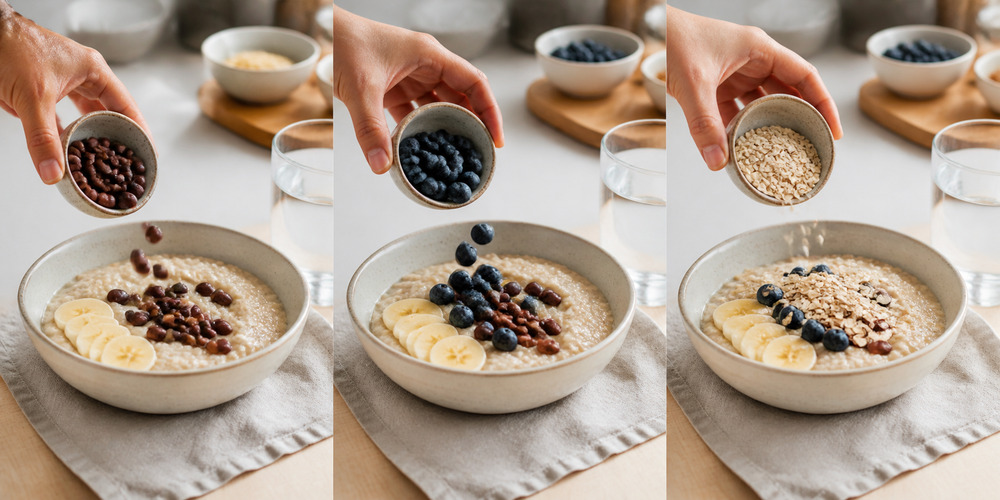
Choose one fiber-rich food that fits an existing meal. Options include beans, peas, lentils, vegetables, fruit, whole grains, nuts, and seeds. Beginning with familiar foods may be easier to maintain than redesigning every meal at once.
2. Make Gradual Substitutions
Small substitutions can be more manageable than an abrupt high-fiber diet. Add one change, assess digestive tolerance, and then decide whether to make another. This approach may reduce the gas, bloating, or cramping that can follow a rapid increase.
3. Include Several Food Groups
There is no need to rely on one “best” high-fiber food for weight loss. Variety provides different foods and nutrients while reducing dependence on a single ingredient. A practical pattern may draw from vegetables and fruit, whole grains, and plant-based protein foods such as beans, peas, lentils, nuts, or seeds.
4. Drink Adequate Fluids
Fluid intake is an important part of increasing fiber, particularly when constipation is a concern. Make gradual dietary changes while maintaining adequate fluids rather than adding a large amount of fiber all at once.
5. Review the Whole Weight-Management Plan
Fiber does not operate separately from the rest of daily life. Consider overall food choices, physical activity, sleep, health conditions, medicines, and environmental barriers. A plan that accounts for these factors is more complete than adding a powder while leaving everything else unexamined.
6. Check Before Choosing a Supplement
- Identify the specific type of fiber rather than relying on the front-label claim.
- Remember that trials of viscous soluble fiber found modest average effects.
- Read and follow the product’s directions.
- Ask about medication absorption if regular medicines are involved.
- Do not use a supplement as a substitute for meals, prescribed treatment, or professional care.
7. Judge Progress Broadly
A higher-fiber eating pattern may improve diet quality even when body weight does not change as expected. Since individual responses vary, avoid treating the scale as proof that a single food is working or failing. If weight management remains difficult or weight changes unexpectedly, seek an individualized review.
Next Step
Choose one practical food-based change, such as adding beans to a regular meal, selecting a whole-grain option, or including fruit, vegetables, nuts, or seeds where appropriate. Increase fiber gradually, maintain adequate fluids, and assess tolerance before making another change.
If a fiber supplement is being considered, first identify its type and discuss possible medicine interactions with a pharmacist or clinician. Keep expectations realistic: fiber can contribute to a broader weight-management plan, but the available evidence does not support predictable or targeted weight loss.
FAQ
Can eating more fiber help with weight loss?
It may support weight management, but results are not predictable. Trials have reported improvements in body weight, while viscous soluble fiber supplements have produced modest average reductions.
Which foods are naturally high in fiber?
Sources include beans, peas, lentils, vegetables, fruit, whole grains, nuts, and seeds. These foods also provide nutrients beyond fiber.
Is soluble fiber better than insoluble fiber for weight loss?
The supplied research found modest weight effects from viscous soluble fiber supplements. That does not prove that every soluble fiber is superior or that other fibers have identical effects.
Why does adding fiber sometimes cause bloating?
A rapid increase can cause gas, bloating, or cramping. Increase fiber gradually and drink adequate fluids; seek advice if symptoms persist or are concerning.
Can a fiber supplement interfere with medication?
Some fiber supplements can affect medicine absorption. Ask a pharmacist or clinician about suitability and timing rather than creating a separation schedule yourself.
Sources
- MedlinePlus — Fiber
- PubMed — Carbohydrate quality and human health
- PubMed — Viscous fiber meta-analysis
- USDA MyPlate
- NIDDK — Eating, diet, and nutrition for constipation
- Mayo Clinic — Psyllium proper use
- NIDDK — Factors affecting weight and health
This article is for general information only and does not replace advice from a doctor, GP, pharmacist, or qualified healthcare professional.