
Insulin resistance and weight gain are often presented as a simple cause-and-effect problem. The relationship is more complex. Claire Morgan reviews official guidance on how insulin resistance affects blood glucose, why body weight cannot confirm the condition, and when testing or medical care may be appropriate.
Excess weight, particularly fat around the abdomen and organs, is an important risk factor for insulin resistance. However, people without overweight can also develop it, and weight changes may reflect many influences beyond insulin. A careful assessment therefore looks at the full context rather than relying on appearance, symptoms, or claims made online.
Key Takeaways
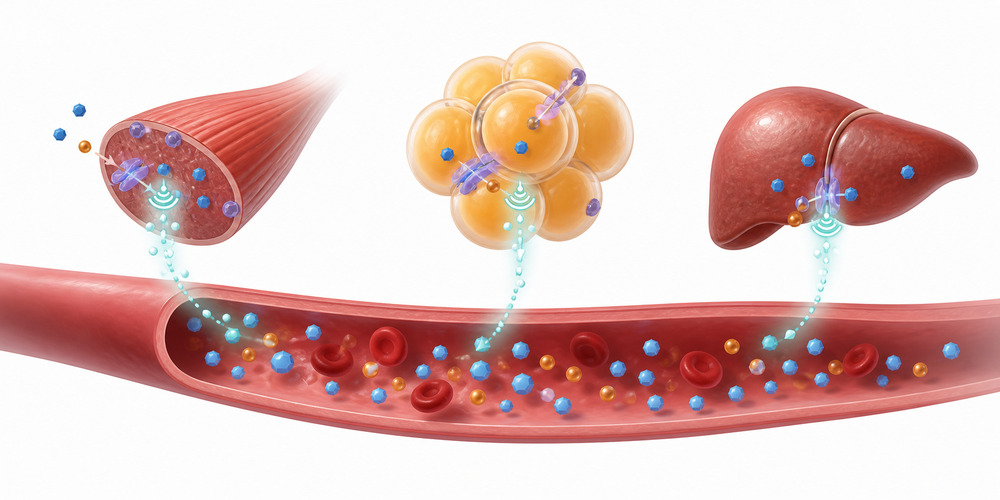
- Insulin resistance occurs when cells in muscle, fat, and the liver do not respond well to insulin, making it harder for them to take up glucose from the blood.
- The pancreas may compensate by producing more insulin. Blood glucose can rise if it can no longer keep up with the body’s needs.
- Overweight and obesity, especially excess fat around the abdomen and organs, are important risk factors, but body size cannot confirm or exclude insulin resistance.
- Insulin resistance and prediabetes usually have no symptoms. Diagnosis should not be based on weight gain, waist size, or appearance.
- For people with prediabetes, the Diabetes Prevention Program found that a combined lifestyle approach involving modest weight loss and increased physical activity substantially reduced progression to type 2 diabetes.
How Insulin Resistance Affects Blood Sugar
Insulin helps glucose move from the bloodstream into cells, where it can be used for energy. With insulin resistance, cells in the muscles, fat, and liver do not respond to insulin as effectively as they should. Glucose therefore becomes harder for those cells to take up.
Because insulin resistance often has no obvious symptoms, our guide to early diabetes symptoms explains which changes deserve a routine medical review.
The pancreas may initially respond by making more insulin. This compensation can maintain blood glucose for a time, which is one reason a person may not notice anything unusual. If the pancreas can no longer meet the increased demand, blood glucose may begin to rise.
This mechanism helps explain the link between insulin resistance and prediabetes, but it does not prove why a particular person has gained weight. Weight is shaped by multiple interacting influences, including food intake, physical activity, sleep, medicines, health conditions, genes, and environment. Reducing weight change to a single hormone leaves out much of that picture.
Does Insulin Resistance Cause Weight Gain?
There is no reliable basis for assuming that insulin resistance is the sole cause of an individual’s weight gain. A change on the scale may occur alongside insulin resistance, but that does not establish which came first or whether another factor contributed.
The relationship is clearer in the other direction: overweight and obesity are recognized risk factors for insulin resistance. Excess fat around the abdomen and organs is particularly relevant. Even so, risk is not the same as diagnosis. Some people with overweight do not necessarily have insulin resistance, while some people without overweight may develop it.
Two practical conclusions follow. First, weight gain does not prove that cells have become resistant to insulin. Second, a lower body weight does not provide certainty that insulin resistance is absent. A clinician must consider body weight alongside wider health information and appropriate blood tests.
Abdominal Fat and Insulin Resistance
Abdominal fat is frequently discussed in relation to blood sugar because excess fat around the abdomen and internal organs is an important risk factor for insulin resistance. That association does not turn waist size into a diagnostic test.
A larger waist, a recent change in body shape, or difficulty managing weight cannot reveal how well cells are responding to insulin. These observations may be useful to mention during an appointment, but online photographs, clothing size, and home measurements cannot replace clinical assessment.
Why Weight May Change for Other Reasons
Body weight reflects more than eating habits or willpower. Official guidance identifies a range of possible influences, including activity, sleep, medicines, health conditions, genes, and environmental factors. Several influences may operate at the same time.
For example, a change in routine might affect movement, sleep, and eating patterns together. A medicine or health condition may also be relevant. This does not mean any one factor is responsible; it means unexplained weight gain deserves a broad review rather than an automatic assumption about insulin.
Insulin Resistance Symptoms and Testing Limits
Insulin resistance and prediabetes usually cause no symptoms. This makes lists of supposed insulin resistance symptoms particularly easy to misinterpret. Weight gain, abdominal size, and a general sense that the body feels different are not enough to make a diagnosis.
Feeling well does not rule out a blood sugar problem either. Because these conditions may be silent, a person who is concerned should discuss their risk and the need for blood tests with a qualified healthcare professional. Testing decisions should reflect the individual’s overall situation rather than appearance alone.
A clinical review may include questions about the timing and pattern of weight change, current medicines, health conditions, sleep, activity, and other relevant factors. The clinician can then decide whether blood glucose testing or another evaluation is appropriate and interpret the results in context.
There is no dependable visual test for insulin resistance. A bathroom scale cannot measure insulin response, and an assumption about insulin levels cannot substitute for blood glucose results. This distinction is important because the pancreas may compensate for reduced insulin sensitivity before blood glucose rises.
Prediabetes, Weight Loss, and Physical Activity Evidence
The Diabetes Prevention Program studied people at high risk of developing type 2 diabetes. Among participants with prediabetes, lifestyle changes that led to modest weight loss and increased physical activity substantially reduced progression to type 2 diabetes.
The study’s scope matters. It did not show that everyone who gains weight has prediabetes, nor did it establish that one food, one eating plan, or one strategy aimed at insulin will produce the same outcome for every person. It evaluated a combined lifestyle approach in a defined high-risk population.
The findings support practical, sustainable changes when they are suitable for the individual. They do not support extreme restrictions or claims that a single intervention controls all aspects of weight and blood sugar. Health conditions, physical ability, medicines, and personal circumstances should shape any plan.
When to Seek Care
Emergency Care
Insulin resistance itself usually has no symptoms, and the supplied guidance does not define a specific emergency presentation caused by insulin resistance or weight gain. If severe or rapidly worsening symptoms make you believe there is a medical emergency, call your local emergency number rather than relying on online information.
Urgent Assessment
Seek urgent medical advice when a healthcare service recommends prompt evaluation or when your current symptoms are severe, sudden, or rapidly worsening. Weight change and insulin resistance do not account for every possible symptom, so urgent concerns should not be attributed to blood sugar without assessment.
Routine Appointment
Arrange a routine appointment if you are concerned about unexplained weight gain, insulin resistance, prediabetes, or whether blood sugar testing is appropriate. Do not wait for a specific set of symptoms, because insulin resistance and prediabetes are commonly symptomless.
A routine consultation is also appropriate before making major changes if medicines, health conditions, or activity limitations could affect the plan. Do not stop or replace prescribed treatment because of an online claim about insulin or weight.
Lifestyle Steps for Weight and Blood Sugar Concerns
1. Separate the Two Main Questions
Ask both: “What factors may have affected my weight?” and “Do I need assessment for insulin resistance or prediabetes?” The questions can overlap, but they are not interchangeable. The first calls for a broad review; the second may require clinical assessment and blood testing.
2. Prepare a Simple Timeline
Before an appointment, note when the weight change began and whether anything else changed around that time. Useful details may include medicines, health circumstances, usual activity, sleep patterns, and eating routines. These notes cannot diagnose the cause, but they can help a clinician see the sequence more clearly.
3. Build Physical Activity Gradually
General physical activity guidance advises adults to aim for at least 150 minutes of moderate-intensity aerobic activity each week, along with muscle-strengthening activity on at least two days. These are overall targets, not a requirement to complete long sessions all at once.
Choose activities that fit current ability and daily life. A realistic schedule is more useful than an ambitious plan that cannot be maintained. People with health conditions, pain, mobility restrictions, or uncertainty about safe exertion should ask a qualified professional for an appropriate starting point.
4. Review More Than Food
Food intake matters, but it is not the only influence on weight. Review movement, sleep, medicines, health conditions, genes, and environmental pressures as well. Some factors may be adjustable, while others may require professional support or cannot be changed.
This broader review can also reduce self-blame. Weight is influenced by several biological and practical factors, and an individual’s situation may not match a simplified online account.
5. Choose Modest, Sustainable Goals
For people with prediabetes, evidence from the Diabetes Prevention Program supports a combined approach involving modest weight loss and increased physical activity. It does not promise a particular outcome for every individual.
If weight loss is appropriate, goals should account for health, ability, and circumstances. Dramatic plans focused on “lowering insulin” may overlook safety, nutrition, sustainability, and other reasons for weight change. Supplements should not be used as replacements for assessment or established care.
6. Use Testing, Not Appearance, to Assess Risk
Weight, waist measurements, and body shape may contribute to a wider discussion, but they cannot determine whether insulin resistance or prediabetes is present. Blood testing and clinical interpretation are the appropriate next steps when there is a reason for concern.
Next Step
If weight has changed unexpectedly or insulin resistance is a concern, gather a brief timeline and arrange a routine healthcare appointment. Ask whether blood glucose testing is appropriate, and review medicines, sleep, activity, health conditions, and other factors that may influence weight. In the meantime, avoid self-diagnosing from body shape or symptom lists and focus on manageable habits suited to current health and ability.
FAQ
Can insulin resistance make you gain weight?
Insulin resistance does not establish a single cause for an individual’s weight gain. Weight may be influenced by food intake, activity, sleep, medicines, health conditions, genes, and environment. Overweight and obesity are important risk factors for insulin resistance, but weight alone cannot show whether it is present.
Can a person have insulin resistance without overweight?
Yes. People without overweight can develop insulin resistance. Conversely, having overweight does not by itself confirm the condition, so assessment should not rely on appearance.
What are the symptoms of insulin resistance?
Insulin resistance and prediabetes usually have no symptoms. Weight gain, abdominal fat, or body shape cannot diagnose them; a clinician can decide whether blood testing is appropriate.
How does the pancreas respond to insulin resistance?
The pancreas may initially make more insulin to compensate for cells responding poorly. Blood glucose can rise if the pancreas can no longer keep up with the body’s needs.
Can lifestyle changes help with prediabetes?
In the Diabetes Prevention Program, a combined lifestyle approach that produced modest weight loss and increased physical activity substantially reduced progression from prediabetes to type 2 diabetes. Plans should be adapted to individual health and ability.
Sources
- NIDDK — Insulin resistance and prediabetes
- NIDDK — Diabetes Prevention Program
- US Department of Health and Human Services — Physical Activity Guidelines
- NIDDK — Factors affecting weight and health
This article is for general information only and does not replace advice from a doctor, GP, pharmacist, or qualified healthcare professional.