For related muscle and sitting patterns, compare this with pelvic floor tension symptoms in men and prostate pain after sitting.
Start here: For the full map of urinary symptoms, red flags, and next articles, read the Men’s Urinary Symptoms Guide.
Written and reviewed by Doctor Wellness Journal Editorial Team. Last updated: September 11, 2026.
Our health guides are educational, use cautious medical wording, cite sources where relevant, and do not replace advice from a qualified doctor, GP, huisarts, pharmacist, or clinician. Supplement mentions are reviewed for ingredient transparency, realistic claims, safety notes, and affiliate disclosure boundaries.
About our editorial standards · How we evaluate supplement information
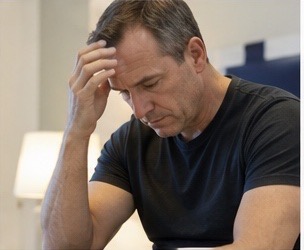
Stress-related pelvic pain in men can feel confusing because the pain is physical, even when stress is part of the trigger. You may feel pressure, aching, burning, or discomfort in the lower abdomen, groin, perineum, testicles, penis, or lower back. Some men also notice urinary urgency, weak flow, or pain after sitting. This can overlap with chronic pelvic pain syndrome, or CPPS, and prostatitis-like symptoms. Stress does not mean symptoms are imaginary.
NHS Scotland clinical guidance notes that chronic pelvic pain syndrome is a common cause of male pelvic pain and may be called chronic prostatitis, though prostate inflammation is unlikely to be the cause in many cases.
Symptoms
Stress-related pelvic pain may include:
- Aching or pressure in the pelvis. This may feel deep, dull, or difficult to locate.
- Pain between the testicles and anus. This area, called the perineum, may hurt more after sitting.
- Urinary urgency or frequency. You may feel the need to pee often, even with small amounts.
- Weak or hesitant urine stream. Tense pelvic muscles can sometimes make urination feel harder.
- Pain after ejaculation. Some men notice discomfort during or after sex.
- Lower back, hip, or groin pain. Pelvic pain can overlap with nearby muscles and nerves.
- Flares during stress. Symptoms may worsen after anxiety, poor sleep, work pressure, or long sitting.
Possible Causes
Common possibilities include:
- Pelvic floor tension. Stress can lead to unconscious clenching of pelvic muscles, which may contribute to pain and urinary symptoms.
- CPPS. Chronic pelvic pain syndrome can cause long-lasting pelvic pain with or without urinary symptoms.
- Prostatitis-like symptoms. Prostatitis can cause urinary pain, pelvic pain, genital pain, frequent urination, and sometimes fever.
- Long sitting. Desk work, driving, or cycling can increase pressure on sensitive pelvic tissues.
- Bladder irritation. Caffeine, alcohol, and fizzy drinks may worsen urgency in some men.
- Infection or other urinary issues. Fever, burning urine, cloudy urine, or worsening pain may need medical testing.
- Muscle and nerve sensitivity. Research has discussed musculoskeletal pain, pelvic floor dysfunction, and myofascial pain as possible explanations for prostatitis-like symptoms.
When to Seek Care
If your symptoms feel severe, are getting worse quickly, or include things like severe pain, fever, difficulty breathing, or inability to urinate, seek medical care promptly rather than waiting it out.
Lifestyle Steps
Try these gentle steps:
- Reduce sitting time. Stand up every 30-45 minutes.
- Use heat. A warm bath or heat pack may help relax tense muscles.
- Practise pelvic relaxation. Slow breathing and relaxing the abdomen may help reduce clenching.
- Avoid aggressive pelvic exercises. If tension is the issue, forceful Kegels can aggravate symptoms.
- Track stress and symptoms. Look for links between work stress, sleep, caffeine, sitting, and pain.
- Reduce caffeine and alcohol. These may worsen urinary urgency or bladder irritation.
- Consider pelvic health physiotherapy. A specialist can assess whether muscle tension is part of the problem.
Product and Supplement Context
A prostate or urinary wellness supplement may support general daily wellbeing, but it should not be positioned as a treatment for CPPS, pelvic floor tension, prostatitis, infection, or anxiety. Stress-related pelvic pain often needs a broader approach, including medical assessment, pelvic relaxation, movement, sleep, and stress management.
Speak to a GP or pharmacist first if you take medication, have ongoing pain, fever, blood in urine, kidney problems, diagnosed prostate disease, or worsening symptoms. Choose products with transparent ingredients and no exaggerated claims.
FAQ
Could stress cause pelvic pain in men UK?
Stress may contribute to pelvic pain by increasing muscle tension, pain sensitivity, and pelvic floor clenching. But pelvic pain can also have medical causes, so persistent symptoms should be checked.
What are CPPS symptoms men UK GP advice?
CPPS may involve pelvic pain, perineum pain, urinary urgency, frequent urination, pain after ejaculation, and discomfort after sitting. A GP can help rule out infection or other causes.
Is prostate pain after stress but no infection possible?
Yes, some men have prostatitis-like symptoms without clear bacterial infection. CPPS and pelvic floor tension can overlap with prostate-area discomfort.
Can anxiety cause pelvic pain male?
Anxiety can increase muscle tension and body sensitivity, which may worsen pelvic pain. It does not mean the pain is fake.
When should male pelvic pain be urgent?
Seek urgent help if you cannot pass urine, have visible blood in urine, severe pain, fever, vomiting, or feel very unwell.
Sources
- NHS: prostatitis symptoms
- NHS Scotland: male pelvic pain and CPPS
- NIDDK: chronic prostatitis/chronic pelvic pain syndrome
- Cleveland Clinic: prostatitis and pelvic pain
- PubMed: pelvic floor dysfunction and prostatitis-like symptoms
- Mayo Clinic: prostatitis symptoms and causes
Medical note: This article is for general information only and does not replace advice from a doctor, GP, pharmacist, or qualified healthcare professional.
Next step: Explore gentle urinary and prostate wellness support.
If symptoms feel prostate-related, the condition overview on understanding prostatitis helps separate broad possibilities.
When pressure becomes the main complaint, read pelvic pain and pressure in men before exploring general prostate and urinary support.